
Solar energy has become one of the most reliable and sustainable power sources in the modern world. A solar panel installation guide helps homeowners and businesses understand how to properly set up a solar system for maximum efficiency and long-term savings. With rising electricity costs and increasing environmental concerns, solar energy adoption is growing rapidly across residential, commercial, and industrial sectors.
Installing solar panels is not just about placing panels on a roof. It requires careful planning, system design, equipment selection, and professional installation to ensure optimal performance and safety. A well-installed solar system can significantly reduce electricity bills and contribute to a cleaner environment.
Planning and Site Assessment for Solar Installation
The first step in any solar panel installation is proper planning and site assessment. This stage determines whether a location is suitable for solar energy generation and how efficient the system will be.
A professional installer evaluates factors such as roof condition, angle, and direction. South-facing roofs generally receive the most sunlight in the northern hemisphere, making them ideal for solar panels. However, east- and west-facing roofs can also work effectively depending on shading and local sunlight patterns.
Shading is another critical factor. Trees, nearby buildings, or other obstructions can reduce the efficiency of solar panels. Even partial shading can impact overall energy production, so a detailed shading analysis is essential.
Energy consumption patterns are also studied during this phase. Understanding how much electricity a household or business uses helps determine the size of the solar system required. This ensures that the system is neither underpowered nor oversized.
Structural strength of the roof is also checked to ensure it can support the weight of solar panels and mounting equipment. In some cases, reinforcement may be required before installation begins.
Choosing the Right Solar System Components
Selecting the right components is crucial for building an efficient solar power system. The main components include solar panels, inverters, mounting structures, and batteries (if needed).
Solar panels are the core of the system. There are different types such as monocrystalline, polycrystalline, and thin-film panels. Monocrystalline panels are highly efficient and suitable for limited roof space, while polycrystalline panels are more cost-effective.
The inverter plays a key role in converting solar energy into usable electricity. There are string inverters, microinverters, and hybrid inverters. Each type has its advantages depending on system size and design.
Mounting structures ensure that solar panels are securely fixed and positioned at the correct angle. Proper mounting improves energy absorption and protects the system from weather conditions like wind and rain.
Battery storage is optional but increasingly popular. Batteries store excess energy generated during the day for use at night or during power outages. This increases energy independence and reduces reliance on the grid.
Choosing high-quality components is essential for long-term performance and durability. Cheap or low-quality equipment may reduce efficiency and increase maintenance costs over time.
Step-by-Step Installation Process
The installation process begins once planning and component selection are complete. It is usually carried out by trained professionals to ensure safety and accuracy.
The first step is installing the mounting system on the roof or ground structure. This framework supports the solar panels and must be aligned correctly for maximum sunlight exposure.
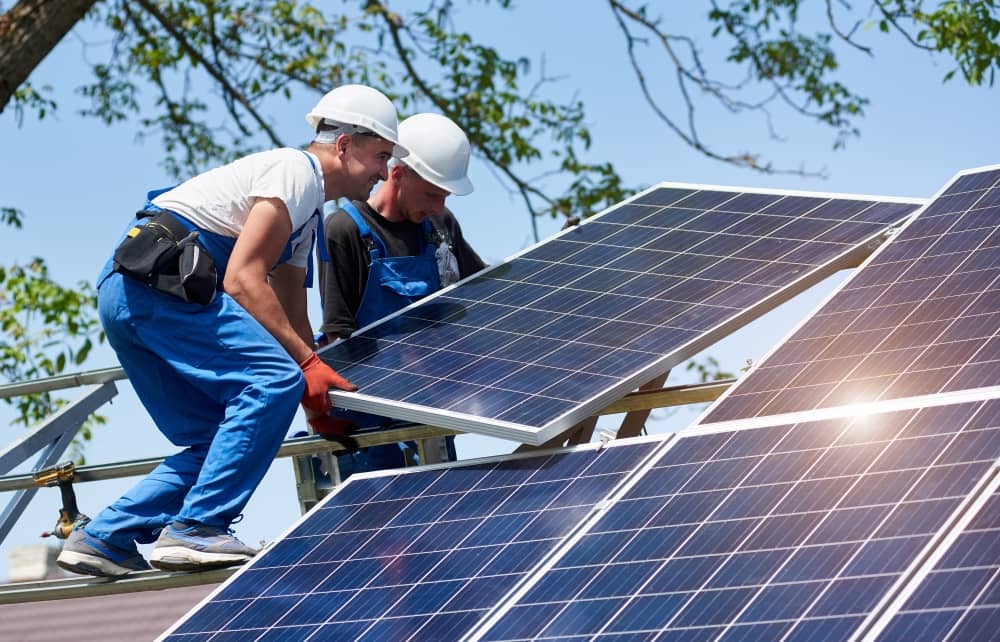
Next, solar panels are mounted onto the structure and securely fastened. Proper alignment and spacing are important to ensure airflow and prevent overheating.
After panel installation, electrical wiring is carried out. Panels are connected to the inverter, which is responsible for converting direct current (DC) into alternating current (AC) used in homes and businesses.
The inverter is then connected to the main electrical panel. This allows solar energy to power appliances directly or feed excess electricity back into the grid in net metering systems.
If battery storage is included, it is integrated into the system at this stage. Batteries are connected to store unused solar energy for later use.
Finally, the system is tested thoroughly. Technicians check voltage levels, wiring connections, and energy output to ensure everything is functioning correctly and safely.
Maintenance, Efficiency, and Long-Term Benefits
Once installed, solar panels require minimal maintenance, but regular care is important for maintaining efficiency. Dust, dirt, and debris can reduce panel performance, so periodic cleaning is recommended.
Inspections should be conducted to ensure all electrical components are working properly. Wiring, inverters, and mounting systems should be checked for wear and tear, especially after extreme weather conditions.
Monitoring systems help track energy production and consumption. Many modern solar systems come with mobile apps that allow users to monitor performance in real time.
The long-term benefits of solar panel installation are significant. One of the biggest advantages is reduced electricity bills. Over time, the system can pay for itself through energy savings.
Solar energy also reduces carbon footprint, making it an environmentally friendly choice. It helps reduce dependence on fossil fuels and contributes to cleaner air and reduced pollution.
In addition, solar systems increase property value. Homes and commercial buildings with installed solar panels are often more attractive to buyers due to long-term energy savings.
In conclusion, solar panel installation is a smart investment for both economic and environmental reasons. With proper planning, quality components, and professional installation, solar energy systems can provide reliable power for decades while supporting a sustainable future.