
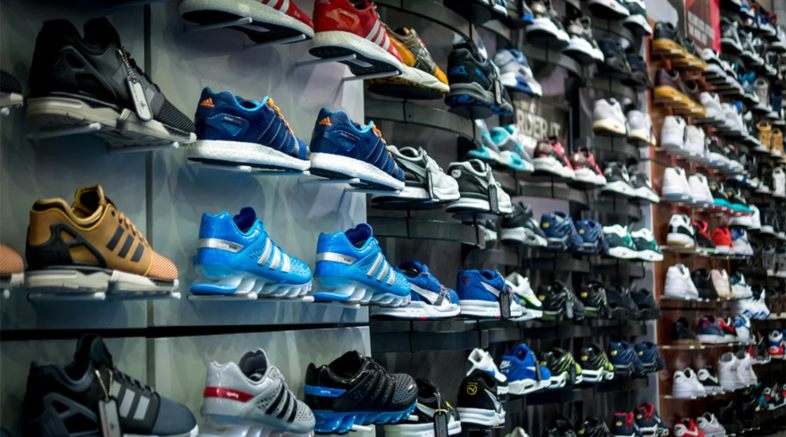
The sportswear industry has transformed from a niche athletic segment into one of the fastest-growing global fashion markets. Sportswear market analysis shows a strong shift driven by fitness awareness, lifestyle changes, and the rise of “athleisure” culture, where people wear athletic clothing not only for sports but also for everyday use.
Today, sportswear brands compete not just on performance but also on style, sustainability, and innovation. From global giants to emerging startups, the market is expanding rapidly due to increasing demand across all age groups and regions.
Growth Drivers of the Global Sportswear Industry
One of the main drivers of sportswear market growth is the increasing focus on health and fitness. More people are joining gyms, participating in outdoor activities, and adopting active lifestyles. This shift has significantly boosted demand for comfortable and performance-oriented clothing.
Another major factor is the rise of athleisure fashion. Sportswear is no longer limited to athletes; it has become a mainstream fashion choice. Leggings, joggers, hoodies, and sneakers are now widely worn in workplaces, universities, and social settings.
Social media and influencer marketing also play a huge role. Fitness influencers, celebrities, and athletes promote sportswear brands, creating strong consumer demand. Platforms like Instagram and TikTok have made fitness culture more visible and aspirational.
Urbanization and rising disposable income are further contributing to market expansion. Consumers are willing to spend more on premium sportswear that offers both comfort and style.
Technological advancements in fabric and design are also fueling growth. Moisture-wicking materials, breathable fabrics, and lightweight designs enhance performance and attract both athletes and casual users.
Key Market Segments and Consumer Preferences
The sportswear market is divided into several key segments, including footwear, apparel, and accessories. Among these, footwear holds the largest share due to high demand for running shoes, training shoes, and lifestyle sneakers.
Apparel is another rapidly growing segment, including leggings, tracksuits, jerseys, shorts, and compression wear. Consumers increasingly prefer multifunctional clothing that can be used for both workouts and casual wear.
Accessories such as gym bags, caps, socks, and fitness gear also contribute to overall market growth. Although smaller in share, they are essential for brand expansion and customer loyalty.
Consumer preferences in the sportswear market are evolving. Comfort and durability are now just as important as style. Buyers look for breathable fabrics, ergonomic designs, and versatile outfits suitable for multiple activities.
There is also a growing demand for personalized and limited-edition collections. Brands that offer customization options or exclusive designs often attract stronger customer engagement.
Role of Major Brands and Competitive Landscape
The sportswear industry is highly competitive, dominated by global brands such as Nike, Adidas, Puma, and Under Armour. These companies invest heavily in innovation, marketing, and sponsorship deals to maintain their market position.
Brand endorsements by professional athletes significantly influence consumer behavior. Sponsorships in major sports events like football, basketball, and the Olympics enhance brand visibility and credibility.
At the same time, new and emerging brands are disrupting the market by focusing on niche audiences, sustainability, and direct-to-consumer models. Many startups are using e-commerce platforms to reach customers without traditional retail networks.
Price competition is also a key factor. While premium brands focus on innovation and branding, mid-range and budget brands attract price-sensitive consumers, especially in developing markets.
Digital transformation has reshaped competition. Online retail, mobile apps, and social commerce have become essential channels for sportswear sales. Brands that effectively use digital marketing strategies often gain a competitive advantage.
Future Trends and Market Opportunities
The future of the sportswear market is strongly linked to sustainability and innovation. Consumers are becoming more environmentally conscious, leading brands to adopt eco-friendly materials such as recycled polyester and organic cotton.
Sustainable production practices are no longer optional; they are becoming a major purchasing factor for modern consumers. Brands that fail to adopt green initiatives risk losing market share.
Another important trend is the integration of technology into sportswear. Smart clothing with fitness tracking sensors, temperature control, and performance monitoring is gaining popularity among athletes and tech-savvy consumers.
Customization and personalization will continue to grow. Consumers want unique products that reflect their personality and lifestyle. Digital tools that allow customers to design their own sportswear are becoming more common.
E-commerce will remain a dominant sales channel. Online shopping offers convenience, wider product selection, and better pricing options. Virtual try-ons and augmented reality experiences are also improving the online shopping journey.
Emerging markets present huge opportunities for growth. Countries in Asia, Africa, and Latin America are witnessing rising demand due to increasing fitness awareness and urban lifestyles.
In conclusion, sportswear market analysis reveals a dynamic and rapidly evolving industry. Driven by lifestyle changes, innovation, and global connectivity, the sportswear sector is expected to continue its strong growth trajectory in the coming years.